
Clay Bricks Price in Pakistan: Complete Guide, Types, and Modern Construction Uses
Clay brick price in Pakistan aren’t going anywhere. In Pakistan, or honestly, pretty much anywhere people need stuff that actually lasts, they’re still the gold standard. They’re tough as nails, can handle heat like a champ, and you don’t see them crumbling after a few monsoons. Old-school? Maybe. But as buildings get fancier, these little guys keep up thanks to smarter manufacturing, tighter quality controls, and even some snazzy new looks (yeah, bricks can be stylish now—who knew?).
So, what’s the deal with clay bricks? We’ll get into what kinds are out there, how they’re made (spoiler: it’s not just mud pies), what they’re gonna cost you, and why people still swear by them for building just about anything. Ready? Let’s dig in.
Understanding Clay Brick Composition and Manufacturing
You wanna know what really makes a brick tick? It’s all about what goes in: clay brick manufacturing process, sand, water—the usual suspects. Sometimes they’ll toss in a sprinkle of extra minerals if they want the clay brick composition to handle more heat or just be tougher all around. Gotta keep that recipe tight if you want bricks that won’t bail on you, especially when they’re holding up a whole house.
Now, making these bad boys? That’s changed a lot. Factories used to do things the old-school way—open kilns, lots of guesswork. These days, most places run a pretty tight ship: mix it up, slap it in a mold, let it dry, then fire it up. The big leagues use these fancy tunnel kilns, which are basically brick saunas on steroids. End result? Bricks that’ll laugh in the face of storms and won’t crumble if you so much as look at them sideways.
Types of Clay Bricks Used in Modern Construction
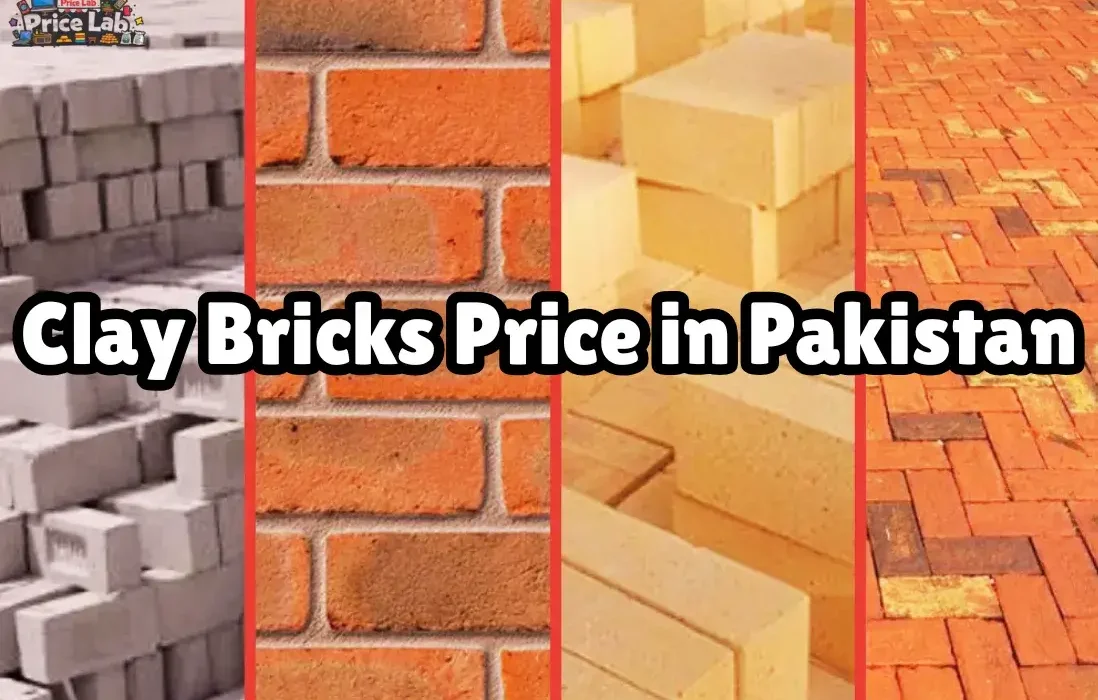
Here’s how it really goes: When builders pick bricks, they’re juggling a bunch of stuff—how strong the wall needs to be, the weather (like, is it gonna get pounded by rain or what?), and of course, how much cash they can actually throw at the project. There’s a whole buffet of Clay brick price in Pakistan out there: you’ve got your classic red ones, the burnt kind, solid bricks, kiln-fired—those get cooked up real hot—then you’ve got the old-school hand-made ones and the more modern, mass-produced machine-made bricks.
Thing is, every type’s got its own vibe. If you’re chasing that old-timey, vintage look—think cozy cottages or that artsy exposed-brick wall in a coffee shop—hand-made bricks totally deliver the charm. Want everything to line up perfectly and look super clean? Machine-made bricks have your back, all crisp edges and consistency. So yeah, it’s not just picking a brick—it’s more like matchmaking for buildings. For structural walls, solid clay bricks provide the best support thanks to their density and strength.
Benefits of Using Clay Bricks
Why do builders keep picking clay bricks? Honestly, they’re kind of obsessed—and for good reason. These little red blocks do it all. First off, they’re clay brick durability as nails. You build a house with the advantages of clay bricks, and it’s probably outlasting your grandkids (and their questionable taste in décor). Maintenance? Practically nothing. They just sit there, looking like clay brick strength and not bothering anyone.
Now, if you’ve ever been in Pakistan during summer, you know the sun isn’t messing around. Clay brick heat resistance like a champ. They keep the inside chill without making you run your AC all day—so yeah, your wallet and the planet both win.
Plus, there’s the whole “save the earth” vibe. Modern kilns and recycling mean sustainable clay bricks are greener than ever. Eco-friendly, tough, and heat-busting—no wonder builders stick with them.
Dimensions, Load Capacity, and Structural Value
If your brick measurements are off, your whole project’s gonna look like a bad Jenga game. Builders need to know the exact size of those clay brick dimensions, or they’ll end up with a wall that either leans like Pisa or eats way too much mortar. Doesn’t matter if you’re tackling a fancy mansion or just slapping up a backyard wall, the brick’s dimensions totally call the shots—how you stack ’em, how thick those joints get, even whether the thing stands up straight.
And don’t get me started on engineers. They obsess over what those bricks can actually hold before dreaming up another five-story monster. The tough clay brick load capacity— burnt clay bricks and solid clay bricks, that kind—they’re the MVPs because they don’t crumble when stuff gets heavy. You want that wall (or, you know, your whole house) sticking around for more than a hot minute? Go for the sturdy bricks, not the knockoff ones.
Cost, Pricing Trends, and Market Value
Man, with the way construction prices keep shooting up, figuring out your budget isn’t just smart—it’s survival. Honestly, if you’re not doing a proper breakdown of clay brick cost analysis, you could get blindsided. Materials, delivery, all those little “hidden” charges? They add up fast. And the clay brick price? That’s like a rollercoaster. Kiln fuel goes up, you’re paying more. Clay gets scarce? Yep, more cash out of your pocket. Even where you live changes the game—some regions just cost more, period.
Builders are always hunting for the best clay brick rate today, trying to catch a deal before prices spike again. It’s like timing the stock market, only dustier. Clay brick price in Pakistan jumps around thanks to stuff like seasons, what’s trending in construction, or when kilns are running full blast. If you actually care about getting consistent, half-decent bricks, don’t just grab the first offer. Seriously, shop around. Compare a few clay brick suppliers, or you might regret it when your wall looks like a patchwork quilt.
Uses of Clay Bricks in Modern Architecture
Real estate in Pakistan is booming, and you know what that means—everyone suddenly wants clay bricks for house construction. Like, everywhere. They’re piling them up in foundations, slapping them into walls, jazzing up facades, even laying them down for driveways. Gotta say, the way architects mess around with brick patterns and cool finishes these days? It’s wild. Gives them the freedom to just get creative, honestly.
And don’t even get me started on interior designers. They’re obsessed with clay brick construction for those statement walls and fireplaces—super cozy, rustic vibes all around. Contractors, though, they’re all about the practical side. Need tough exterior walls? Clay bricks got you. Plus, they block out noise and handle the weather like champs. It’s kind of a win-win, really.
Clay Masonry and Structural Techniques
People still love the old-school way of building with clay bricks. I mean, clay masonry can’t beat that combo of tough and simple, right? There’s a bunch of ways to stack ’em, too—like English bond, Flemish bond, all depending on what you’re trying to pull off, structurally or style-wise. Architects get a real kick out of using those classic bricks, especially if they’re fixing up some ancient beauty or just want that timeless, classy vibe.
But hey, it’s not all nostalgia. These days, builders are all about those chunky traditional clay bricks blocks—way thicker and lighter than the old ones. Honestly, they’re a breeze to slap together, which means jobs get done quicker. Less time, less hassle. Win-win.
Clay Bricks vs Concrete Bricks
People always argue about clay brick vs concrete brick—like it’s the Coke vs Pepsi of construction. Here’s the deal: clay bricks just have better vibes when it comes to keeping things warm, lasting forever, and, yeah, not wrecking the planet. Concrete bricks? They’re tough as nails, sure, and stack up all neat and tidy, but they kinda miss the point on comfort. When you’re building a house, most folks still roll with clay because you get that cozy, breathable feel inside, and your place doesn’t turn into an oven every summer. Concrete might win an arm-wrestling contest, but clay’s what makes a house feel like home.
Choosing the Best Bricks for Your Project
Picking the right material these days is a headache with so many options flying around. If you need something solid for, like, load-bearing walls or you’re building a massive boundary, those good old Construction clay bricks do the trick. Simple, strong, no nonsense. But hey, if you want your place to actually look good, don’t just grab any brick—try red clay bricks or hand-made clay bricks. They’ve got that nice texture, you know? Makes a difference.
Now, if you’re obsessed with stuff lasting forever (who isn’t?), fired clay bricks and burnt clay bricks are still the champs. Those things can take a beating and keep your walls standing for ages. Oh, and don’t just trust what’s on the label—double-check the latest prices, actually go to the site and give the clay brick quality standards a once-over, and maybe peek at the quality standards. You don’t wanna end up with some weak, fake stuff that crumbles at the first sign of trouble. Seriously, do your homework.
Final Thoughts
Clay bricks are still kind of the MVPs when it comes to building stuff in Pakistan—tough, long-lasting, and they don’t totally suck at keeping the heat out (or in, depending on the season). You see ‘em everywhere, whether someone’s throwing up a fancy new house or putting together another shopping plaza. If you actually want to make smart calls—like, not just winging it—you gotta get what kinds of bricks are out there, how much they’re gonna hurt your wallet, and where they work best. Thing is, brick-making isn’t stuck in the Stone Age anymore. The factories have gotten their act together, and there’s more pressure not to wreck the environment. So yeah, even with all the new building materials popping up, Clay brick price in Pakistan? Still holding their ground.